
Exploring Seasonal Living Through Neighbourhood-Based Activities
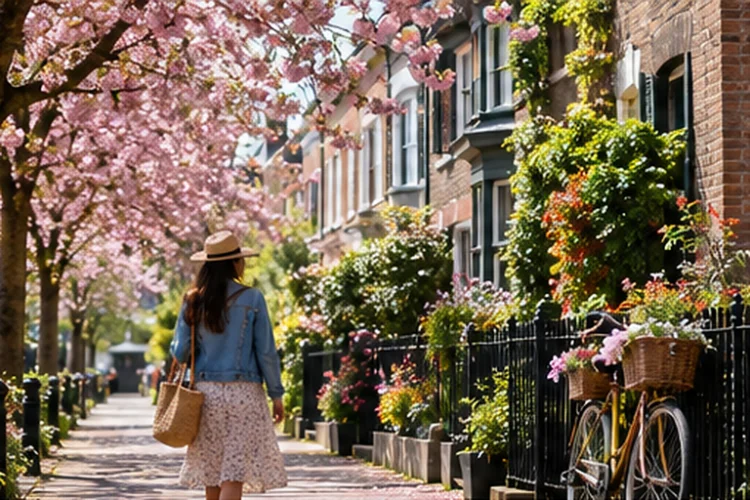
Modern life makes it surprisingly easy to forget what season you are actually living through.
We work indoors, buy strawberries in winter, order dinner through an app, and move between temperature-controlled buildings. Apart from checking whether we need a coat, the changing seasons can sometimes feel more like background information than something shaping everyday life.
Exploring seasonal living through neighbourhood-based activities offers a simple way to change that.
You do not need a countryside cottage, vegetable garden, or complicated seasonal lifestyle.
Local parks, community gardens, markets, neighbourhood cafés, walking routes, libraries, festivals, and shared public spaces can all help you notice how your immediate surroundings change throughout the year.
The idea is not to romanticise every rainy November afternoon or force yourself outdoors during terrible weather. It is about building small routines around what each season naturally offers.
When those routines happen close to home, they can also strengthen your connection with the neighbourhood – and with the people living in it.
1. Start by Paying Attention to Your Local Environment
Seasonal living begins with noticing.
Walk the same local route regularly and you quickly start seeing changes that are easy to miss when you only move between home, work, and shops.
Trees flower, leaves change colour, evenings become lighter, outdoor cafés reopen, birds become more active, and different plants appear in community gardens.
This kind of attention does not require a formal nature reserve.
The World Health Organization notes that urban green spaces such as parks, gardens, playgrounds, and residential greenery can support relaxation, physical activity, social interaction, and mental and physical health.
Try choosing one park or walking route near home and visiting it throughout the year.
The location stays the same, but the experience constantly changes.
That is seasonal living at its simplest.
2. Make Community Gardens Part of Your Seasonal Calendar
Gardening naturally forces you to pay attention to the time of year.
You cannot treat March exactly like August because different jobs, crops, temperatures, and growing conditions apply.
The Royal Horticultural Society’s month-by-month guidance reflects that rhythm. Spring might involve sowing tomatoes or planting potatoes, summer brings watering and harvesting, while autumn includes collecting seeds, planting bulbs, and preparing for colder weather.
You do not need your own garden to participate.
Community gardens, allotment groups, shared planters, school gardens, and neighbourhood growing projects can provide similar experiences.
The RHS’s 2025 Space to Grow research estimated that around 2.5 million people in the UK had participated in community gardening during the previous three years. Among surveyed groups, 85% said bringing the community together was a key motivation.
Planting something in spring and returning to harvest it later creates a much stronger sense of season than simply seeing a date change on your calender.
3. Let Food Change With the Neighbourhood
Food is one of the easiest ways to make seasonal living practical.
Instead of planning every meal first and then buying whatever ingredients are required, occasionally reverse the process.
Visit a local market, greengrocer, farm shop, or neighbourhood food store and see what looks particularly abundant that week.
Summer might bring berries, tomatoes, herbs, and lighter meals. Autumn naturally suits apples, squash, mushrooms, and root vegetables. Winter can shift toward soups, brassicas, potatoes, and slow-cooked dishes.
The point is not to eat exclusively local food.
It is simply to let some meals respond to what is happening around you.
You can extend the idea socially by creating a monthly neighbourhood dinner with friends, swapping garden produce, visiting a farmers’ market together, or trying a local café’s seasonal specials.
Over time, certain foods begin to feel connected with certain months.
That sense of anticipation is part of what seasonal living restores.
4. Give Each Season a Different Walking Routine
Walking does not need to look the same all year.
Spring is ideal for looking for blossom, new leaves, and longer evenings. Summer can support early-morning walks before hot afternoons or relaxed evening routes while daylight lasts longer.
Autumn walks become about colour and cooler air. Winter might mean shorter routes combined with a warm café, library visit, or indoor market.
NHS England includes local walking schemes, community gardening, conservation volunteering, and other outdoor activities within its description of green social prescribing.
It notes growing evidence that nature-based activities can support physical and mental health while reducing loneliness.
The important thing is adapting rather than abandoning the routine.
If darkness arrives early in winter, switch a long evening walk for a lunchtime one.
If summer becomes uncomfortably hot, go earlier.
Working with the season is more sustainable than insisting that every month behave exactly the same way.
5. Use Local Events as Seasonal Markers
Neighbourhood events can become informal landmarks in the year.
A spring plant sale, summer street party, outdoor cinema, harvest celebration, autumn craft market, or December community fair gives each season something distinctive to anticipate.
These events matter beyond entertainment.
Research highlighted by Local Trust suggests that resident-led neighbourhood initiatives can strengthen local social relationships and improve the wider neighbourhood enviroment.
Its research comparing neighbourhoods with and without organised resident-led initiatives found stronger connections between neighbours in areas with this kind of local activity.
Community events also create shared memories.
You might barely speak with the person living three doors away for most of the year, yet repeatedly meet them at a street party, local market, gardening day, or neighbourhood festival.
That repetition gradually turns an anonymous area into somewhere familiar.
Check council listings, community noticeboards, libraries, local social media groups, cafés, and independent shops rather than relying only on major city event guides.
The smallest events are often the most local.
6. Build Seasonal Social Habits Close to Home
Living seasonally should not become another solo self-improvement project.
Neighbourhood activities work particularly well because they combine routine with social connection.
The NHS identifies connecting with other people as one of its five steps for mental wellbeing, suggesting activities such as eating with others, volunteering, and participating in community groups.
Your own seasonal version can be extremely simple.
In summer, arrange monthly picnics in the local park. During autumn, organise weekend coffee walks. Winter could involve a neighbourhood book club or cooking evening, while spring might be the time for gardening, cycling, or visiting outdoor markets.
Repeating activities at similar times each year creates little traditions.
They do not need to be formal or large.
Four neighbours drinking coffee after a Sunday walk still counts as community life.
7. Rediscover Indoor Neighbourhood Spaces in Colder Months
Seasonal living is sometimes presented as though everyone should spend twelve months outdoors.
That is not particularly realistic.
Winter offers an opportunity to rediscover indoor public and community spaces instead.
Libraries, galleries, independent cinemas, community halls, cafés, craft workshops, leisure centres, and local cultural venues can become extensions of your neighbourhood routine.
The Mental Health Foundation suggests activities such as neighbourhood groups, book clubs, walking groups, community gardening, volunteering, choirs, and classes as ways to strengthen relationships and local connections.
Cold months can therefore become more social rather than simply more isolated.
You might start a monthly library visit, attend a local craft class, join a choir, or choose one independent cinema night each month.
The season changes the type of activity without eliminating the connection.
This also makes winter feel less like something you are simply waiting to finish.
8. Turn Ordinary Public Spaces Into Seasonal Destinations
One reason people overlook their neighbourhood is familiarity.
The local park seems too ordinary. The café is somewhere you pass every day. The market does not feel like an “activity.”
But seasonal living works precisely because these places are ordinary.
A park visited every few months reveals change. A local market shows which foods and products are appearing. A neighbourhood café terrace can become a sign that warmer weather has arrived.
WHO guidance emphasises that urban parks and gardens support recreation, relaxation, physical activity, and social interaction, while community participation can improve the effectiveness of green-space projects.
Try creating a loose list of nearby places that work differently across the year.
You might have a sunny spring bench, shaded summer walking route, favourite autumn park, and cosy winter café.
Nothing needs to be famous.
The point is developing familiarity with where you already live.
9. Keep Seasonal Living Flexible, Not Performative
There is an easy trap here.
You start wanting a slightly more seasonal lifestyle and suddenly feel you should grow vegetables, preserve fruit, attend every market, learn mushroom identification, bake sourdough, and organise a neighbourhood harvest feast.
That is just another schedule.
Seasonal living works better when it removes pressure rather than creating it.
Pick one or two habits for each part of the year.
Maybe spring means gardening and longer walks. Summer means outdoor dinners. Autumn means weekend markets and cooking. Winter means local cultural activities and Sunday café visits.
The activities can overlap and change.
Weather will disrupt plans. Some years you will participate more than others. That does not mean you failed.
Your neighbourhood is not a checklist.
The goal is simply to notice where you are, what time of year it is, and what your local area makes possible right now.
Seasonal living does not require moving somewhere rural or completely reorganising your lifestyle. It can begin within a ten-minute walk of your front door.
Local parks reveal changing weather and vegetation, community gardens connect people with growing cycles, markets bring seasonal food into everyday routines, and neighbourhood events create recurring moments of shared identity.
Indoor community spaces can keep that connection going when colder weather arrives.
Start small.
Choose one local activity that fits the current season and repeat it for a few weeks. Walk through the same park, visit a market, join a community garden, or check what your local library is organising.
Then pay attention to how the neighbourhood changes.
Living seasonally is less about adding more to your life and more about noticing what is already happening around you.