
Where to Find Authentic Local Food Beyond the Tourist Areas
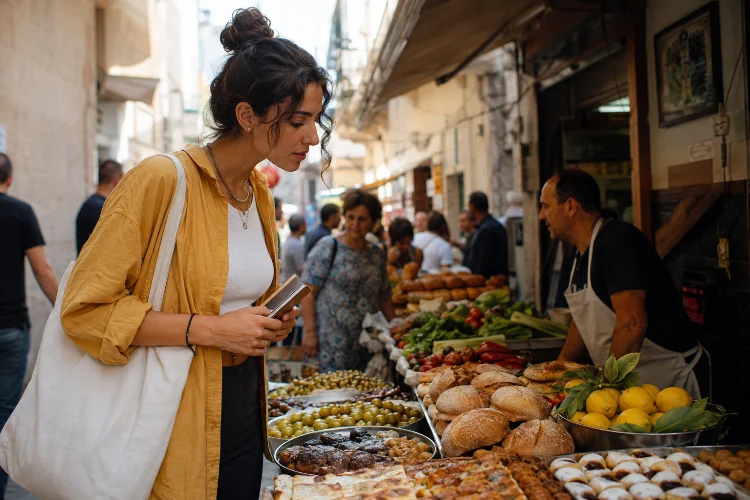
Finding good food while travelling sounds easy until you arrive in the busiest part of a city and discover streets full of restaurants offering nearly identical menus. Some may be excellent, of course, but the most famous tourist district does not always show you how local people actually eat.
Searching for Authentic Local Food is less about finding a mysterious restaurant that no visitor has ever discovered and more about looking in the right places. Markets, residential neighbourhoods, bakeries, lunch counters, hawker centres, family-run cafés, and specialist food shops can all reveal another side of a destination.
The trick is to pay attention to everyday eating patterns rather than simply following rankings. With a little curiosity, you can find memorable meals without travelling miles away from the places you came to see.
1. Explore Residential Neighbourhoods Around the Centre
You do not necessarily need to travel to the edge of a city to find interesting local food.
Often, moving just a few streets beyond the busiest sightseeing zone changes the dining scene considerably. Residential districts tend to contain businesses serving people who live or work nearby, including cafés, bakeries, inexpensive restaurants, pubs, and takeaway counters.
Lonely Planet’s Singapore food coverage demonstrates this approach by focusing on backstreets and local eating experiences as a way to discover a less immediately visible side of the city.
Open a map and look at the neigbourhoods surrounding major tourist areas. Search for markets, bakeries, local cafés, and restaurants there rather than automatically choosing whatever is closest to the main attraction.
Sometimes a ten-minute walk makes a surprisingly large difference.
2. Visit Markets Where People Actually Shop
Food markets are among the easiest places to understand what a destination eats.
Look at the vegetables, seafood, meat, spices, bread, cheese, fruit, and prepared foods being sold. Even if you do not buy a full meal, you begin to recognise ingredients that repeatedly appear in the region’s cooking.
National Geographic notes that food traditions are shaped by landscapes, seasons, and generations of knowledge, and that some rewarding culinary experiences happen outside formal restaurants entirely.
Markets may also contain small counters serving simple meals to shoppers and workers.
Do not assume that a market is automatically “authentic” simply because it looks old, though. Some famous markets are attractions in their own right and receive enormous numbers of visitors.
Watch who is shopping, what they are buying, and whether the market still seems connected to everyday local life.
3. Look for Bakeries, Cafés and Specialist Shops
A destination’s food identity is not limited to dinner.
Breakfast and snacks can reveal just as much.
A traditional bakery might introduce you to regional bread or pastries. A small coffee shop may serve the breakfast locals normally eat before work. Delis, cheese shops, sweet shops, and specialist grocers can introduce ingredients that rarely receive attention in restaurant guides.
This is particularly useful when travelling on a budget.
Instead of searching for another famous restuarant, buy something from a bakery in the morning, visit a market at lunchtime, and save your larger budget for one interesting evening meal.
You will often experience more variety while spending less.
4. Notice Where People Eat at Lunchtime
Lunch can provide useful clues.
Restaurants located near offices, universities, workshops, hospitals, markets, or transport hubs often depend heavily on repeat customers. That does not guarantee great food, but it creates a different dynamic from establishments relying mainly on one-time tourist visits.
Look for places that become noticeably busy around normal local meal times.
A short menu can also be a positive sign when a kitchen specialises in a few dishes rather than attempting to serve everything imaginable.
Eater’s travel guides often extend beyond destination-famous restaurants to cafés, street stands, markets, bars, and neighbourhood establishments recommended by writers with local knowledge.
The useful lesson is not “follow crowds blindly.” It is to observe eating habits.
If the same place consistently attracts people who appear to work or live nearby, it may deserve a closer look.
5. Seek Out Street Food and Communal Food Halls
In some destinations, informal dining is central to the food culture.
Singapore’s hawker centres are an obvious example. National Geographic describes them as places where Malay, Chinese, Indian, and other culinary traditions come together, reflecting the country’s multicultural history.
Street-food districts, hawker centres, food courts, and communal markets can be particularly helpful when travelling with other people because everyone can try something different.
They also make experimentation easier.
Instead of committing to an expensive multi-course dinner, you can order a small dish you have never eaten before. If you like it, try another.
What counts as good informal dining varies enormously between destinations, so research local customs rather than expecting every city to have the same street-food culture.
6. Search by Dish Instead of “Best Restaurant”
Search engines can change the way you explore food.
Typing “best restaurants in Lisbon” will probably produce many similar lists. Searching for a specific regional dish can lead you somewhere different.
First learn five or six foods associated with your destination. Then search for where people recommend eating those specific dishes.
Lonely Planet’s guides to countries such as India highlight how regional cuisine can vary dramatically according to local culture, religion, climate, and culinary tradition.
A dish-focused search helps you understand those differences.
Instead of hunting for the best restaurant in an entire city, you might look for the best place for a particular breakfast, regional noodle dish, pastry, stew, or local speciality.
That creates a much clearer reason for visiting somewhere.
7. Ask Locals More Specific Questions
“Where should I eat?” is surprisingly difficult to answer.
Try asking a more specific question.
Ask the hotel receptionist where they would go for an inexpensive lunch nearby. Ask a market vendor where they buy a particular regional dish. Ask a café employee where they would take a friend visiting from another city.
Specific questions usually produce better recomendations because they provide context.
You can also describe what you want: traditional food, a casual lunch, seafood, vegetarian options, somewhere good for solo dining, or something typical of the region.
Local advice should still be treated as one person’s opinion rather than absolute truth, but it can introduce places that generic rankings overlook.
8. Remember That Authenticity Is Not About Avoiding Tourists
A popular restaurant does not suddenly stop being local because travellers discover it.
Likewise, a hidden restaurant is not automatically better simply because it receives fewer visitors.
UN Tourism describes gastronomy tourism as closely connected with local producers, cultural heritage, communities, and economic development.
A better question is whether the food has a meaningful relationship with the place.
Does the restaurant serve regional dishes? Are local ingredients or traditions involved? Does it attract a mixture of residents and visitors? Does the experience teach you something about the destination?
That matters more than whether you found it on an empty backstreett.
Finding Authentic Local Food is less about escaping tourists completely and more about understanding how a destination eats. Explore residential streets, markets, bakeries, lunch spots, and informal dining spaces, then search for regional dishes instead of generic restaurant rankings.
On your next trip, follow local eating patterns, ask better questions, and let curiosity guide at least a few of your meals.