
How Local Food Reveals the History and Character of a Place
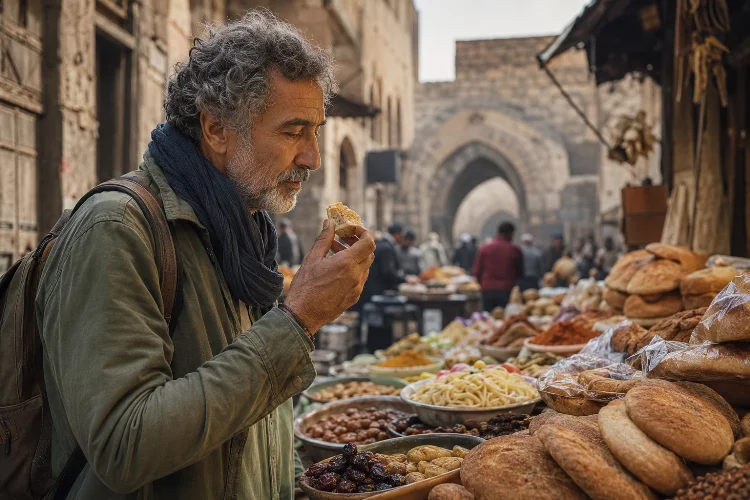
Food can tell you surprisingly complicated stories without saying a word. A bowl of noodles might reveal an old trade route, a loaf of bread can reflect generations of farming, and a street snack may exist because migrants brought their cooking traditions to a new city decades ago.
That is why eating while travelling can be much more interesting than simply finding somewhere with good reviews.
Local Food connects geography, history, family traditions, climate, agriculture and cultural identity. UNESCO describes food culture as closely linked to the values, traditions and social practices of communities, while dozens of culinary traditions are recognised on its intangible cultural heritage lists.
Understanding those connections can turn an ordinary meal into another way of exploring a destination.
1. Ingredients Often Begin With Geography
Before supermarkets and international supply chains, people generally cooked with what their surroundings could provide.
Coastal communities naturally developed dishes based around fish and shellfish. Mountain regions relied on ingredients that could be grown, raised, preserved or stored in harsher conditions. Fertile agricultural areas created cuisines around their most successful crops.
Those patterns still influence regional cooking today.
National Geographic notes that food cultures are shaped by landscapes, seasons and generations of knowledge, whether that involves gathering wild ingredients, growing produce or preserving traditional agricultural practices.
Think about olive oil around the Mediterranean, seafood in coastal communities or maize in parts of Mexico. These ingredients are not simply culinary preferences; they often reflect the local enviroment and what generations of people learned to produce successfully.
2. Traditional Recipes Preserve Pieces of History
Recipes can survive political changes, economic hardship and entire generations.
Sometimes the method is almost as important as the ingredients. Fermenting, drying, smoking, pickling and slow cooking originally solved practical problems such as preserving food before refrigeration.
Over time, necessity became tradition.
UNESCO describes traditional Mexican cuisine, for example, as a cultural system involving farming practices, rituals, culinary techniques, community customs, planting, harvesting and cooking rather than merely a collection of recipes.
That makes traditional dishes a kind of edible historical record.
A grandmother teaching someone how to prepare a family dish may be passing down techniques that existed long before modern restaurants, cookbooks or food television.
3. Migration Changes What a Place Eats
Few cuisines have developed completely in isolation.
People move, and food moves with them.
Migration introduces new spices, ingredients and cooking techniques. Those traditions then adapt to locally available products and the preferences of new communities, sometimes creating dishes that eventually become inseparable from the destination itself.
This is one reason city food scenes can reveal layers of social history.
The Smithsonian’s American Food History Project specifically uses food as a lens for understanding subjects including migration, identity and community life in the United States.
When travelling, exploring immigrant neighbourhoods can therefore reveal a different side of a city’s history than visiting its oldest monuments.
The migraton story may be visible in bakeries, markets and family restaurants that have served the same community for decades.
4. Some Famous Dishes Have Surprisingly Modern Histories
A dish can feel ancient even when its modern identity is relatively recent.
Pad Thai is a fascinating example.
Today it is internationally associated with Thailand, yet Smithsonian Magazine’s examination of its history explains that scholars debate exactly when the dish took its familiar form and points to its development alongside changing ideas about Thai national identity and modernisation.
Stories like this show why food history is rarely simple.
Recipes evolve. Names change. Governments promote particular dishes. Restaurants adapt food for new audiences, while families continue preparing different versions at home.
Instead of asking whether a dish is completely “authentic”, it can be more interesting to ask how it became associated with the place in the first place.
5. Food Helps Communities Express Identity
People do not eat traditional dishes only because they are hungry.
Certain foods appear at weddings, religious celebrations, festivals, family gatherings and important seasonal events. Preparing them can reinforce a shared sense of identity and belonging.
UN Tourism describes gastronomy as something that reflects culture, heritage, traditions and a community’s sense of identity.
UNESCO’s recognition of Peru’s ceviche traditions provides a concrete example. Ceviche is associated not only with everyday eating but also with social gatherings, celebrations and traditions connected to artisanal fishing communities.
The same principle appears around the world.
Food can communicate where someone comes from, which communties influenced them and which traditions their family considers worth preserving.
6. Markets Can Explain a Destination Better Than a Menu
Restaurants show one side of a food culture. Markets show another.
Walk through a local market and you can see what produce is in season, which fish are commonly eaten, what spices dominate the cuisine and what people actually buy for everyday cooking.
You may also discover ingredients that rarely appear in tourist restaurants.
This is particularly valuable for curious travellers because markets reveal food before it becomes a finished dish.
Look at what people queue for. Notice which stalls specialise in one product. Ask vendors how unfamiliar ingredients are normally prepared.
National Geographic argues that some of Europe’s most revealing culinary experiences take place outside restaurants entirely, through activities connected with producers, landscapes and traditional food practices.
Sometimes an hour in a market explains more than an expensive tasting menu.
7. Local Food Also Shows How Places Are Changing
Cuisine is not frozen in history.
Young chefs reinterpret traditional recipies. New immigrant communities introduce different flavours. Climate conditions affect agriculture, while tourism changes what restaurants choose to serve.
Modern food scenes therefore contain both continuity and change.
National Geographic’s 2026 selection of global food destinations emphasises not only traditional cooking but also hidden histories, emerging culinary talent and changing interpretations of regional food.
That tension is part of what makes food travel interesting.
Try the traditional version of a regional dish, then see how a contemporary restaurant approaches the same ingredients. Visit the historic market and the newer neighbourhood bakery.
Together, they show where a destination has been—and where it might be going.
Local Food is much more than something to eat between sightseeing stops. Ingredients reveal landscapes, recipes preserve history, migration introduces new traditions, and shared meals strengthen cultural identity. Next time you travel, look beyond restaurant rankings.
Visit markets, learn the story behind regional dishes, talk to local producers and let what you eat become another way of understanding the place itself.