
How to Explore Local Arts Scenes Beyond the Biggest Museums
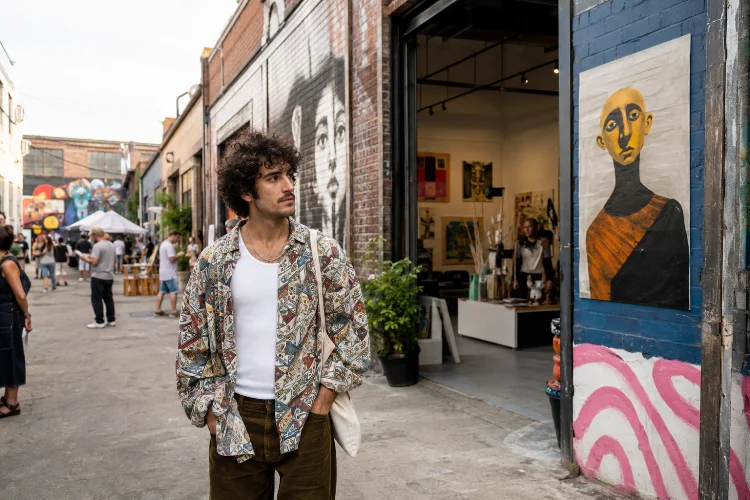
When visiting a new city, the biggest museum is often the obvious place to start. It makes sense: major institutions usually contain famous collections, established artists and plenty of cultural context. But they are only one part of a city’s creative life.
Sometimes the most interesting art is happening in a converted warehouse, a tiny gallery above a shop, an artist’s studio, a community centre or even on the side of a building.
Learning how to Explore Local Arts Scenes means looking beyond landmark institutions and paying attention to where artists actually work, exhibit and meet. Independent galleries, open studios, public art, festivals and creative neighbourhoods can reveal what people are making right now—and often give you a much more personal connection with the place you are visiting.
1. Start With Independent and Artist-Run Galleries
Large museums tend to show artists who are already well established. Smaller spaces often introduce you to people whose work is still developing.
That makes independent galleries especially interesting when you want to understand a city’s current creative direction.
Tate defines an artist-curator as a practising artist who may also curate exhibitions or run not-for-profit spaces showing their own work and that of other artists. Artist-led spaces can therefore operate very differently from major commercial galleries or museums.
Look for small galleries in residential or former industrial areas rather than limiting your search to the cultural centre.
Do not worry if you recognise none of the names. That is partly the point.
You are there to discover rather than confirm what you already know.
2. Search for Open Studios and Artist Workspaces
Open-studio events offer something traditional museums usually cannot: the opportunity to see where art is actually made.
Artists may open their studios for a weekend, explain their process and show unfinished pieces alongside completed work. Artsy has documented open-studio programmes such as Arts Gowanus, where visitors can enter artists’ working spaces and see their work directly.
Search for phrases such as “open studios”, “studio trail” or “artist studios” together with the destination name.
These events are often particularly useful in neighbourhoods with clusters of painters, ceramicists, photographers, illustrators and designers.
The experience can feel much less formal than visiting a museum. You may even find yourself discussing materials or techniques directly with the artist rather than reading about them on a wall label.
3. Walk Through Creative Neighbourhoods Slowly
Art scenes often develop geographically.
Affordable studio space, old industrial buildings, universities, workshops and independent businesses can gradually attract creative communities to the same area.
Rather than visiting a single venue, explore the whole neigbourhood.
Look for galleries, record shops, bookshops, print studios, cafés displaying local artwork, design stores and murals. The combination often tells you more about the area’s creative character than any individual attraction.
UNESCO’s Creative Cities programme emphasises the role that culture and creative activity can play in local urban development rather than treating creativity as something confined to formal cultural institutions.
Give yourself an afternoon instead of an hour. Creative districts are usually better experienced through wandering than through rigid schedules.
4. Pay Attention to Public and Street Art
You do not always need to walk through a gallery door to encounter meaningful art.
Murals, sculptures, installations, painted shutters and temporary public projects can reveal how artists respond to their surroundings.
Street art is especially useful for understanding themes that matter locally. Works may reference neighbourhood history, social issues, cultural identity or simply the personality of the area.
Some public projects also deliberately bring art into unconventional locations. Arts Council England has supported initiatives involving community venues and art in unexpected spaces, showing how cultural activity can exist outside traditional galleries.
When exploring, avoid treating every mural as a quick photo opportunity.
Look at the surrounding street. Search the artist’s name if it is visible. See whether several works in the district seem connected.
A wall can sometimes provide the beginning of a much larger story.
5. Check What’s Happening During Your Visit
A city’s art scene changes constantly.
An independant gallery that was interesting last year might be between exhibitions when you arrive, while a temporary festival could transform an otherwise quiet area for one weekend.
Check local event listings shortly before travelling.
Search for gallery openings, art walks, graduate shows, design festivals, craft markets, photography exhibitions and pop-up installations.
Artsy’s Tokyo art guide, for example, demonstrates how understanding a city visually can involve galleries, art weeks, biennials and creative complexes alongside traditional museums.
Keep your calender reasonably flexible. Exhibition openings and temporary events can become some of the easiest ways to see multiple artists in a single evening.
They are also good places to understand who participates in the local creative community.
6. Visit Community Arts Spaces
Not every important arts venue is trying to become internationally famous.
Community-focused spaces may run workshops, exhibitions, performances and collaborative projects designed primarily for local participation.
Arts Council England highlights examples such as community arts pavilions offering free workshops, performances and events, illustrating how these venues can combine creativity with broader community activity.
These places can give travellers a different perspective from major cultural institutions.
Instead of presenting art mainly as something to observe, they may treat creativity as something people make together.
Check noticeboards, workshop programmes and small exhibitions even if there is no famous artist attached. You may find ceramics, printmaking, photography, textiles or multimedia work connected closely to the surrounding community.
7. Follow One Artist to the Next Place
One of the easiest ways to Explore Local Arts Scenes is to stop searching for “the best art galleries” altogether.
Find one artist whose work interests you and follow the connections.
Look at where they have exhibited. Check which galleries represent similar artists. See whether they collaborate with local collectives or participate in festivals.
An artist’s biography can lead you from one small exhibtion to another, gradually revealing the network behind the city’s cultural life.
This works particularly well because art communities are rarely isolated. Artists, curators, designers, photographers and independent venues often overlap.
Think of the first interesting gallery as a doorway rather than the final destination.
To Explore Local Arts Scenes, you do not need to ignore major museums—you simply need to look beyond them. Visit artist-run galleries, wander creative neighbourhoods, check open studios, notice public art and follow local events. Give yourself time to discover artists you have never heard of.
On your next city break, leave one afternoon completely open and see where the local creative trail leads.