
How Local Experiences Can Replace Routine Leisure Spending Habits
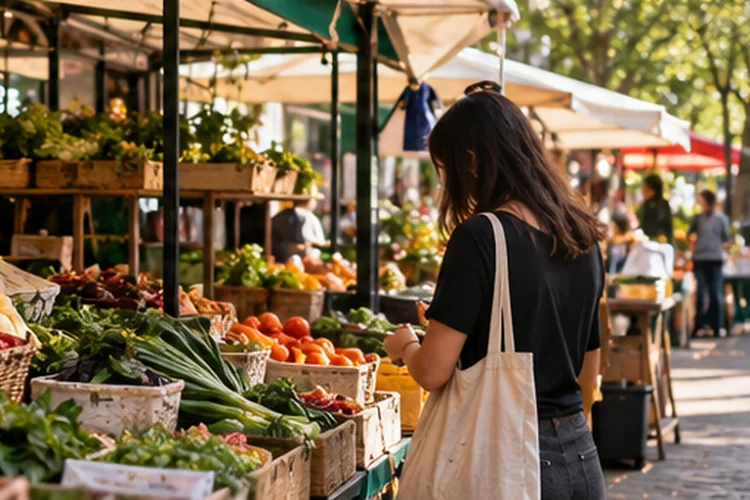
Leisure spending can become surprisingly automatic.
Friday arrives, so you order takeaway. Saturday means shopping, brunch, or another trip to the same entertainment complex. Sunday might involve browsing online stores while convincing yourself that buying something counts as relaxing.
None of these activities is inherently bad. The problem appears when spending money becomes the default way to mark free time rather than a conscious choice.
Exploring how local experiences can replace routine leisure spending habits offers another approach. Instead of asking, “What should I buy this weekend?” you start asking, “What could I actually do nearby?”
That might mean visiting a small museum, walking through a neighbourhood you rarely explore, attending a community event, volunteering, browsing a local market, joining a workshop, or simply spending an afternoon in a park with friends.
Research on consumer behaviour has repeatedly found that experiences can generate strong satisfaction because they support social relationships, identity, and memorable moments.
The goal is not to stop spending. It is to make leisure feel less automatic and more memorable.
1. Notice Where Your Leisure Money Goes on Autopilot
Before changing your habits, work out which ones are actually routine.
Most people have a few predictable spending patterns. It might be shopping whenever they feel bored, ordering food every Friday night, paying for entertainment they barely enjoy, or meeting friends exclusively in restaurants and bars.
These purchases may be perfectly affordable, but familiarity can reduce how special they feel.
Try looking at your last four weekends.
You do not need to create a detailed spreadsheet. Simply notice which activities repeated themselves and ask whether you genuinely looked forward to them.
If three Saturdays involved wandering around shops without needing anything, that is an opportunity.
Replacing just one of those outings with a local exhibition, walking route, community market, or free public event creates variety without requiring a dramatic lifestyle change.
2. Shift Some Spending From Things to Experiences
Consumer research provides an interesting reason to rethink leisure spending.
A major review in the Journal of Consumer Psychology found that experiential purchases often provide greater satisfaction than material purchases.
Researchers suggest several reasons, including stronger social connection, closer links with personal identity, and fewer opportunities for direct social comparison.
That does not mean experiences are always better.
Other research has found that the advantage can depend partly on people’s financial circumstances, with material purchases sometimes providing equal or greater happiness when resources are limited.
So the lesson is not “never buy things.”
It is to consider whether another object is really what you want from your leisure budget.
£30 could become a kitchen accessory you forget about, but it could also fund a pottery class, local theatre ticket, food workshop, bike rental, or entry to a small exhibition.
The more useful question is: what would create the better memory?
3. Use Your Neighbourhood as Entertainment
People often travel across an entire city for leisure while barely knowing what exists ten minutes from home.
Start locally.
Search for independent cinemas, markets, parks, galleries, historic buildings, community gardens, libraries, walking trails, small music venues, and cultural centres within your own area.
Cultural participation is already a major part of leisure life. England’s 2024–25 Participation Survey found that 45% of adults had engaged with museums or galleries during the previous 12 months, while 31% engaged with library services.
Libraries in particular are easy to underestimate.
Modern libraries can offer talks, exhibitions, reading groups, children’s activities, workshops, free digital resources, and community spaces as well as books.
You may discover that the neigbourhood already contains several things you would happily travel elsewhere to experience.
Local leisure also removes one hidden cost: getting there.
Less money and time spent travelling can leave more room for the activity itself.
4. Make Parks Part of Your Social Life
Meeting friends does not always require booking a table.
When the weather works, try replacing one café or restaurant meetup with a walk, picnic, park visit, or riverside afternoon.
Urban green and blue spaces have value far beyond being attractive scenery. WHO reviews describe growing evidence that these spaces can support health and well-being while also creating opportunities for recreation, movement, and social interaction.
The CDC similarly identifies parks and recreational spaces as environments where community connections can develop.
A park-based afternoon can still include spending.
Buy coffee from a local café or pastries from a bakery, then take them outside. The difference is that purchasing becomes a small part of the experiance rather than the entire activity.
This can also make social plans more accessible when people in the same friendship group have different budgets.
5. Replace Shopping Trips With Local Discovery Days
Shopping is remarkably effective at filling empty time.
You can spend three hours in a shopping centre without actively deciding what you wanted from those three hours.
Try turning one occasional shopping Saturday into a local discovery day instead.
Pick an area you rarely explore and give yourself a loose route. Visit a market, look at architecture, stop inside an independent bookshop, walk through a park, and find somewhere inexpensive for lunch.
This still allows room to buy something if you genuinely find something useful.
The difference is that shopping is no longer the purpose of the day.
Local heritage can work especially well here. England’s Participation Survey found that 67% of adults engaged with heritage in 2024–25, with public parks or gardens containing historic or artistic features among the most popular places visited.
You do not always need a famous tourist attraction.
Sometimes understanding an ordinary street, old market, canal, cemetery, or historic neighbourhood makes your own city more interesting.
6. Let Community Events Fill the Calendar
One reason routine spending becomes repetitive is that it requires almost no research.
You already know where the cinema is. You already know which restaurant you like.
Local events require slightly more curiosity but can provide much more variety.
Check council calendars, libraries, community centres, independent cafés, museums, places of worship, neighbourhood social groups, universities, and local arts organisations.
Look for craft fairs, outdoor cinema, workshops, street festivals, amateur theatre, food events, public lectures, repair cafés, and seasonal celebrations.
Community participation also creates opportunities for social connection. CDC guidance specifically recommends activities such as volunteering, joining community organisations, spending time with others outdoors, and getting to know neighbours as ways to strengthen social ties.
England’s Community Life Survey found that 60% of adults reported feeling proud of their local area in 2024–25, while 75% were satisfied with nearby green and natural spaces.
Actually using those local resources can turn “where you live” into somewhere you actively experience.
7. Try Learning Instead of Consuming
One of the strongest replacements for passive spending is learning something.
A two-hour workshop can occupy the same Saturday afternoon as shopping, but you leave with a skill rather than another bag.
Local options might include pottery, bread making, gardening, photography, drawing, sewing, dance, cooking, bicycle maintenance, or creative writing.
Learning activities have an additional advantage: they can become hobbies.
One ceramics class might lead to a monthly studio session. A community gardening morning could turn into regular volunteering. A photography walk might change how you explore your city for years.
Not every class needs to become a lifelong passion.
Sometimes the value is simply doing something unfamiliar.
Check libraries and community centres before assuming every workshop will be expensive. Local councils, museums, charities, colleges, and community organisations sometimes offer free or subsidised activities.
An intentional leisure budget can include these experiences without turning them into another expensive lifestyle hobby.
8. Make Social Connection the Activity
Modern leisure spending often combines socialising with a commercial activity.
We meet for dinner. We meet for drinks. We meet for shopping.
Try occasionally removing the commercial centre.
Invite friends for a neighbourhood walk. Cook together at someone’s home. Visit a free exhibition. Volunteer for a local project. Bring coffee to a public garden.
The CDC describes meaningful social connection as important for both mental and physical health and notes that stronger relationships can support stress management, healthy behaviours, and overall well-being.
That makes connection valuable even when nobody is buying anything.
This approach can also reduce the awkwardness created when different people have different disposable incomes.
A £70 dinner may be easy for one friend and stressful for another. A walk followed by an optional £4 coffee creates far less financial pressure.
The occassion can still feel special because the people – not the bill – are the main event.
9. Create a Simple Local Leisure Rule
You do not need to replace every familiar leisure habit.
Restaurants, shopping, concerts, travel, and cinema trips can all be enjoyable ways to spend money.
The goal is choice rather than restriction.
Try one simple rule: before repeating the same paid leisure activity, consider one nearby alternative.
Before ordering takeaway again, check whether there is a local food market.
Before another shopping afternoon, look for an exhibition.
Before automatically meeting at a bar, see whether there is an evening walk, free concert, or community event.
Another option is creating a monthly local-experience budget. Set aside a modest amount specifically for independent venues, workshops, neighbourhood food businesses, or cultural activities.
This keeps leisure spending intentional without making it unnecessarily strict.
A habit is more likely to last when it feels flexible rather than punishing.
Replacing routine leisure spending does not mean staying home and refusing to spend money. It means becoming more selective about what your free time is actually buying.
Local parks, galleries, markets, libraries, community events, workshops, heritage sites, volunteering opportunities, and neighbourhood walks can create variety without requiring expensive travel or constant consumption.
They can also support social connection and make familiar surroundings feel less predictable.
Start with one weekend habit rather than redesigning your entire lifestyle.
Next time you automatically reach for the same restaurant booking, shopping trip, or delivery app, spend five minutes checking what is happening nearby first.
You can still choose the familiar option – but occasionally, the local alternative may give you a better story, a new skill, or a more consistant connection with where you live.