
Easy Dining Ideas to Make an Ordinary Evening Feel Special
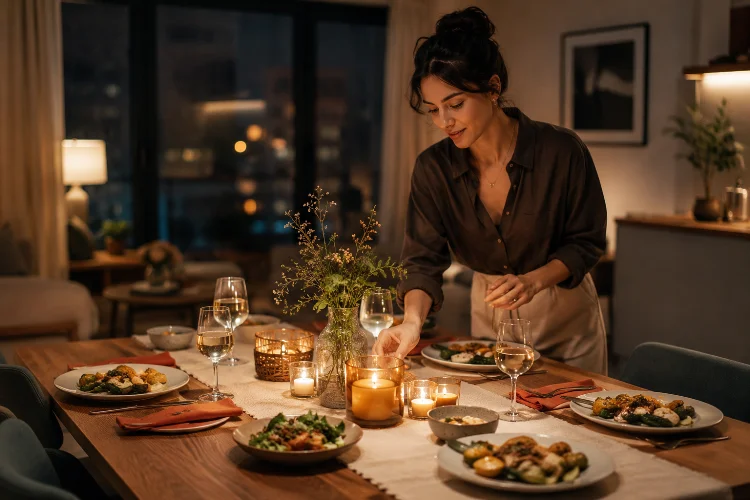
Not every memorable dinner needs a reservation at an expensive restaurant or several hours of complicated cooking. Sometimes the difference between a routine Tuesday meal and an evening that feels genuinely special comes down to a few small choices.
Maybe you dim the lights, serve dinner somewhere other than the usual spot, add one dish you would normally save for the weekend, or simply put your phone away and stay at the table a little longer.
The best Easy Dining Ideas are not about pretending your kitchen is a fine-dining restaurant. They are about changing the mood of an ordinary meal without creating unnecessary work. With thoughtful food, simple presentation, and a more relaxed atmosphere, even a familiar dinner can become something you look forward to.
1. Start With One Dish That Feels Different
You do not need to prepare a three-course feast.
Choose one part of dinner to make slightly more interesting than usual. That could be a handmade flatbread, roasted vegetables with a good dressing, fresh pasta, baked fish, homemade dessert, or even an impressive-looking salad.
Good Food’s entertaining collections show that dinner-party food can range from straightforward crowd-pleasers to more elaborate dishes, so “special” does not have to mean technically difficult.
A familiar main course with one unusual side dish is often enough.
For example, ordinary roast chicken can feel different when served with lemon potatoes and a herb sauce. A basic pasta dinner becomes more memorable with good bread, olives, and a simple dessert afterwards.
The goal is to create contrast with your normal routine.
2. Change the Atmosphere Before Changing the Menu
Food matters, but so does ambaince.
Eating the exact same meal under bright kitchen lighting while checking emails feels very different from eating it at a properly set table with softer lighting and music in the background.
You do not need elaborate decorations. Clear unnecessary objects from the table, use proper glasses, light a candle, or bring out plates that normally stay in the cupboard.
If the weather is pleasant, move dinner outside.
Even changing the room can make the evening feel separate from everyday life. Dinner on a balcony, in the garden, or at a coffee table with floor cushions creates a small sense of occasion without costing anything.
3. Use a Simple Starter to Slow the Evening Down
Weeknight dinners often happen quickly because everyone is hungry and the main meal arrives immediately.
Adding a small starter naturally slows the pace.
It could be bread and olive oil, cheese with fruit, soup in small bowls, roasted nuts, hummus, or vegetables with a dip. None of these needs much preparation.
The starter creates a transition between the day and dinner.
Instead of sitting down, eating quickly, and immediately clearing the dishes, you give the evening a beginning, middle, and end.
This idea also connects with mindful eating. Harvard Health describes mindful eating as paying closer attention to food while preparing, serving, and eating it rather than consuming meals automatically.
Slowing down does not just change the food. It changes the experience of the meal.
4. Make Presentation Work Harder Than the Recipe
Restaurant dishes often feel special before you have even tasted them.
Presentation is a big reason why.
At home, you can borrow the same principle without turning dinner into a food-styling project.
Serve pasta in a large shared bowl instead of directly from the saucepan. Slice meat before bringing it to the table. Add herbs, lemon wedges, grated cheese, toasted seeds, or a drizzle of sauce just before serving.
Keep things simple and deliberate.
A meal placed neatly on a plate usually feels more appealing than the same ingredients piled together hurriedly.
For an especially relaxed evening, prepare toppings and garnishes earlier and keep them seperate until serving. That gives you a polished final result without additional cooking at the last moment.
5. Try a Shareable Dinner Instead of Individual Plates
Sharing food can instantly make dinner feel more social.
Rather than serving one completed plate to each person, place several dishes in the middle of the table. Tacos, mezze, antipasti, curries with side dishes, small salads, pizzas, or build-your-own bowls all work well.
Research on shared meals has associated eating together with social and emotional benefits in various settings. One study involving parents found that more frequent family meals were associated with several measures of social and emotional wellbeing.
The practical advantage is equally important: everyone can choose what they want and the meal naturally becomes more interactive.
It can also reduce pressure on the cook.
Instead of producing perfectly plated dishes, you simply create a table full of components and let everyone help themselves.
6. Recreate a Favourite Restaurant Experience at Home
Think about what you enjoy when visiting a good restuarant.
It may not be the complexity of the food. Perhaps you enjoy having several small plates, ordering dessert, listening to music, or taking time to talk without thinking about chores.
Bring one of those elements home.
If you love Italian restaurants, make simple pasta, serve sparkling water in glasses, add bread and olives, and finish with affogato. Serious Eats has highlighted how simple desserts with only a few ingredients can still feel suitable for a dinner party, reinforcing the idea that impressive does not always mean complicated.
Or create a casual tapas evening using supermarket ingredients arranged on several plates.
You are not trying to reproduce professional cooking. You are recreating the feeling you enjoy.
7. Make Conversation Part of the Meal
An ordinary evening can feel special simply because everyone is actually present.
Put phones away for an hour. Turn off the television. Avoid spending the entire meal discussing tomorrow’s chores.
If you are dining as a couple, with friends, or with family, ask questions that move beyond everyday logistics.
What was the best thing that happened this week? Where would everyone travel if they suddenly had a free weekend? What meal would they happily eat again from a past holiday?
Shared dining has been studied not only as a nutritional behaviour but also as a setting for social connection and wellbeing. Reviews of communal meal programmes, for example, have highlighted their potential to create opportunities for connection.
Food provides the reason to sit down, but conversation often becomes the part people remember.
8. Finish With Something Small
Dessert does not have to be elaborate.
Ice cream with berries, chocolate with coffee, sliced fruit, affogato, or a simple baked dessert can signal that this is not just another rushed evening meal.
Serious Eats has published numerous examples of quick dinners and simple entertaining menus designed around keeping preparation manageable rather than spending the whole evening cooking.
The same principle applies here.
Choose something that allows you to enjoy the occassion, rather than something that keeps you trapped in the kitchen.
The best Easy Dining Ideas are usually small changes rather than complicated recipes. Choose one interesting dish, improve the atmosphere, serve food thoughtfully, slow down, and make space for conversation. You do not need a special celebration to create a memorable dinner.
Pick one idea tonight, change your usual routine, and turn an ordinary evening into something worth enjoying.