
How to Plan Inclusive Dinner Menus for Mixed Dietary Preferences
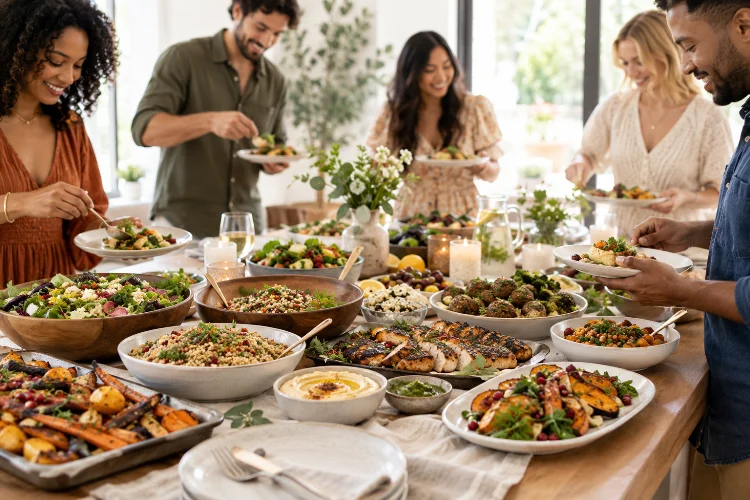
Hosting dinner used to sound fairly simple: choose a main course, add a couple of sides, make dessert, and invite everyone over.
Today, the table may include a vegetarian, someone who avoids dairy, a guest with coeliac disease, another person with a nut allergy, and someone who simply prefers lighter food. Suddenly, one dinner can start to feel like five separate menus.
The good news is that planning inclusive dinner menus for mixed dietary preferences does not mean cooking a completely different meal for every guest.
In fact, the easiest approach is usually the opposite: create a flexible menu with a shared foundation that works for as many people as possible, then offer optional additions.
The important part is knowing the difference between a preference and a medical requirement. Someone choosing not to eat meat may be comfortable with flexibility, while food allergies or coeliac disease can require much stricter ingredient checks and kitchen practices.
With a little planning, everyone can feel included without turning the host into a short-order cook.
1. Ask About Dietary Needs Before Planning the Menu
The easiest time to solve dietary problems is before you buy anything.
When inviting guests, ask whether they have allergies, intolerances, religious restrictions, or foods they avoid. Keep the question simple and matter-of-fact rather than making anyone feel difficult for mentioning a requirement.
It is also worth asking whether the restriction involves cross-contact.
This matters because dietary preferences are not all the same. A vegetarian guest may simply avoid meat and fish, while someone with a food allergy can react to very small amounts of an allergen.
Food Standards Agency guidance highlights cross-contamination as an important issue when allergens are present in the same preparation environment.
Similarly, coeliac disease requires avoiding gluten rather than simply removing a piece of bread from the finished plate.
Knowing these details early makes the rest of your planning much easier.
2. Build the Menu Around a Shared Base
One of the smartest hosting strategies is choosing dishes that already work for most of the table.
Think rice, potatoes, roasted vegetables, lentils, beans, salads, polenta, or naturally gluten-free grains as a starting point.
Coeliac UK lists foods such as potatoes, rice, lentils, meat, fish, fruit, and vegetables among naturally gluten-free choices. That makes many simple whole-food dishes useful when creating a flexible menu.
For example, you could build dinner around roasted vegetables, herbed rice, a large salad, and a tahini dressing.
Then offer grilled chicken separately for guests who eat meat and seasoned chickpeas or tofu for everyone wanting a plant-based protein.
The table still feels like one meal.
This is much more welcoming than handing one person an unrelated “special” dish while everyone else shares something different.
3. Make Plant-Based Food Part of the Main Menu
A common mistake is treating vegetarian or vegan food as a substitute version of the “real” dinner.
That usually leads to uninspiring meals.
A better strategy is designing at least one genuinely satisfying plant-based dish that everyone can eat.
The Vegetarian Society recommends developing plant-based meals as complete dishes rather than simply removing meat from an existing recipe. It emphasises factors such as nutrition, practicality, ingredient knowledge, and customer satisfaction when building successful plant-based menus.
A mushroom and lentil ragù, chickpea tagine, roasted aubergine with tahini, vegetable curry, or bean-based chilli can all serve as centrepieces rather than side dishes.
NHS guidance also notes that beans, pulses, nuts, seeds, tofu, and other plant foods can contribute important protein and nutrients within vegetarian and vegan diets.
The goal is not to make food feel “dietary.”
It should simply taste good.
4. Use Modular Dishes for Maximum Flexibility
Some meals are naturally easier to customise than others.
Tacos, grain bowls, baked potatoes, mezze-style spreads, curries with separate toppings, and build-your-own salads all work brilliantly for mixed groups.
Suppose you serve tacos.
The shared table could include corn tortillas, black beans, roasted vegetables, salsa, avocado, cabbage, lime, and rice. Meat could be offered separately, while cheese and sour cream remain optional.
One meal can now accomodate vegan, vegetarian, dairy-free, and many gluten-free preferences with relatively little extra effort.
The same principle works with Mediterranean-style sharing food.
Serve hummus, roasted vegetables, rice, olives, salads, grilled chicken, and several sauces separately. People can build plates according to their own needs.
Modular menus also reduce awkward conversations because guests do not have to repeatedly ask what they can eat.
5. Take Allergies and Coeliac Disease More Seriously Than Preferences
When medical restrictions are involved, ingredient choices are only part of the problem.
How the food is prepared matters too.
Coeliac UK explains that even small amounts of gluten can be a problem for someone with coeliac disease and recommends practical measures such as cleaning surfaces and utensils, using clean cooking oil, and preventing crumbs from entering shared spreads or condiments.
Similar caution is sensible when preparing food for someone with a serious allergy.
Do not assume removing nuts, cheese, bread, or another ingredient from the finished plate automatically makes the food safe.
Read labels carefully, including sauces, stock cubes, dressings, spice mixes, desserts, and packaged ingredients.
If you are uncertain whether something is safe, ask the guest instead of guessing.
This is one situation where being overly casual is definately not worth the risk.
6. Keep Sauces, Toppings, and Garnishes Separate
Small extras cause a surprising number of menu problems.
A vegetable dish may be vegan until butter is added. A salad may work for everyone until it is covered in a dairy-based dressing. Roasted potatoes can become unsuitable for some guests if they are cooked with certain fats.
The easiest solution is separation.
Serve dressings, grated cheese, yoghurt sauces, nuts, croutons, chilli oil, and other toppings in small bowls.
This lets guests customise their food while keeping the main dishes accessible.
It also gives dinner a relaxed sharing-table atmosphere.
For example, a roasted vegetable platter could be served alongside tahini, herb yoghurt, toasted seeds, and chilli sauce rather than arriving already covered in one topping.
Suddenly one simple dish works for far more people.
7. Choose Dessert Earlier Than You Think
Dessert is often where inclusive menu planning becomes unnecessarily difficult.
Many traditional desserts contain combinations of dairy, eggs, flour, or nuts, making last-minute substitutions complicated.
Choose dessert while planning the rest of the meal, not twenty minutes before guests arrive.
Fruit-based desserts are often a useful starting point.
Poached pears, baked apples, grilled peaches, berry compote, fruit sorbet, or coconut rice pudding can suit several dietary preferences depending on the ingredients used.
Chocolate can work too, but labels need checking carefully if allergies or dairy restrictions are involved.
Another easy option is creating a small dessert table.
Offer fruit, dark chocolate, biscuits, and a simple pudding separately, clearly explaining which items suit which guests.
People usually prefer having two simple options they can safely enjoy over one spectacular dessert they cannot eat.
8. Label Dishes Without Making It Feel Clinical
If several dietary requirements are involved, guests should not have to interrogate you before putting food on their plate.
A few small labels can help.
You do not need restaurant-style allergen charts. Simple descriptions such as “roasted vegetables – vegan” or “rice salad – gluten-free ingredients” can make the table easier to navigate.
However, be careful about promising something is completely allergen-free unless you are confident about ingredients and preperation.
If cross-contact is possible, say so clearly.
Food Standards Agency research found that people with food hypersensitivities generally feel more confident when they understand what is in their food and how it has been prepared.
Transparency makes guests more comfortable.
It also saves you from answering the same ingredient question six times during dinner.
9. Avoid Creating Too Many Separate Dishes
Inclusivity does not require producing eight mains.
That usually creates more stress, more washing up, and a higher chance of accidentally mixing ingredients.
Instead, aim for overlap.
Imagine six guests with the following preferences: two eat everything, one is vegetarian, one is vegan, one avoids gluten, and one avoids dairy.
A menu could still be remarkably simple:
Start with hummus, vegetable crudités, and gluten-free crackers. Serve a lentil and roasted vegetable main dish with herbed rice, salad, and several optional toppings. Add roast chicken separately for anyone who wants it.
Finish with baked fruit and dairy-free ice cream.
Most people are eating almost exactly the same dinner.
That is the difference between inclusive menu design and cooking six seperate meals.
Planning dinner for mixed dietary preferences becomes much easier when you stop thinking in terms of individual replacement meals.
Start by asking guests exactly what they need, especially when allergies or medical restrictions are involved. Build the menu around flexible ingredients such as vegetables, rice, potatoes, beans, and pulses, then keep meat, dairy, sauces, and toppings optional wherever possible.
Plant-based dishes should feel intentional rather than like substitutes, while allergy and gluten requirements deserve careful attention to ingredients and cross-contact.
Most importantly, make everyone feel like they are eating the same meal together.
Before your next dinner party, design the shared part of the menu first and add optional extras afterwards. You may find that an inclusive table is actually simpler to cook for—and considerably more enjoyable to host.